HOW IS THE IRAN WAR AFFECTING MINING?
The Iran war is having a major effect on global petroleum markets. It is also having an effect on global mining markets.
We look at three such markets: thermal coal, aluminium and sulphur.
Thermal Coal
Liquefied-natural gas (LNG) and thermal coal compete with each other for electricity production, notably in Asia.
With LNG prices in Japan/South Korea having increased by 50% since February, “Asian countries are ramping up coal generation and, where possible, accelerating nuclear restarts” (The Centre on Global Energy Policy, Columbia University, 9 April 2026).
The three coal exporters to benefit most from increased coal demand in Asia will be Indonesia, Russia and South Africa.
Australia is unlikely to benefit greatly, given adverse government views on coal and the corresponding difficulty for Australia to boost thermal-coal exports.
Colombia and the US are also unlikely to benefit greatly, as most of their exports go to Europe and Africa.
South Africa 68
Colombia 50
Source: International Energy Agency. Note: China, followed by India, produce two-thirds of the world’s thermal coal, but are only marginal exporters.
Aluminium
Electricity forms 30-40% of the cost of aluminium production. Favoured by their cheap electricity, Persian Gulf countries produce about 9% of the world’s aluminium.
However, aluminium facilities in the Gulf’s two main producers, United Arab Emirates and Bahrain (the latter located between Qatar and Saudi Arabia), have been bombed in recent weeks by Iran, with possibly 40% of production capacity affected.
In addition, aluminium exports from the Gulf countries have been greatly restricted by the closure of the Persian Gulf to most ships.

In the view of Reuters (16 April 2026), the Iran war “is triggering an unprecedented crisis in the global aluminium industry”.
Aluminium prices have risen by about 15% since late February, with further price rises expected by many commentators.
Aluminium exporters likely to benefit from this situation include China, Canada, Russia, India, Malaysia and Norway.
Australia – also an exporter – is unlikely to benefit much, notwithstanding that it is a major exporter of bauxite, the feedstock for aluminium.
The reason? Its four aluminium smelters are struggling with costs in the wake of high electricity prices and government incentives to transition to renewable energy for their electricity.
Sulphur
Sulphur is mainly produced as a by-product of crude-oil and natural gas production. Over 90% of sulphur is used to make sulphuric acid, important for the processing of some metallic ores.
Persian Gulf countries (e.g. Saudi Arabia, United Arab Emirates, Qatar) produce around 20% of the world’s sulphur and are responsible for over 40% of world exports. Sulphuric acid is important for the processing of:
- around three-quarters of copper and over half of cobalt in the Congo (Democratic Republic)
- around one-third of copper in Chile
- a small, but strongly-growing proportion of nickel in Indonesia
- a small amount of nickel in Russia
- nickel at the Murrin Murrin mine in Western Australia, as from 2027 Australian’s sole nickel producer
- around 80% of the world’s zinc
Sulphuric acid is also important for the production of explosives used in mining.
Sulphur supplies have been seriously disrupted by the Iran war, with this effect aggravated by supply restrictions in China.
“I don’t think we’ve ever seen a potential supply disruption of this scale in living memory”, in the view Robert Friedland, executive chairman of Ivanhoe Mines, which has a major copper mine in the Congo (Democratic Republic).

Metso’s pressure-oxidation leaching process converts sulphide ores into high-grade copper concentrates, with production of sulphuric acid being part of the process.
Source: United States Geological Service, 2025
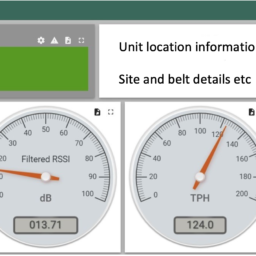
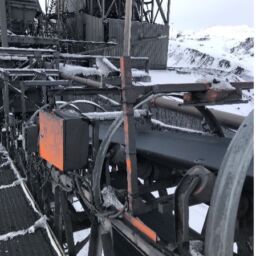
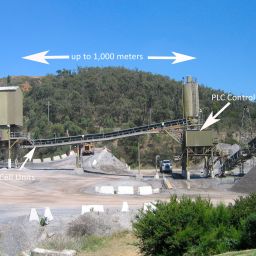
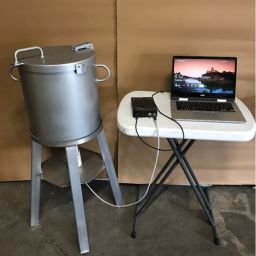
hydroSCAN MOISTURE MONITOR
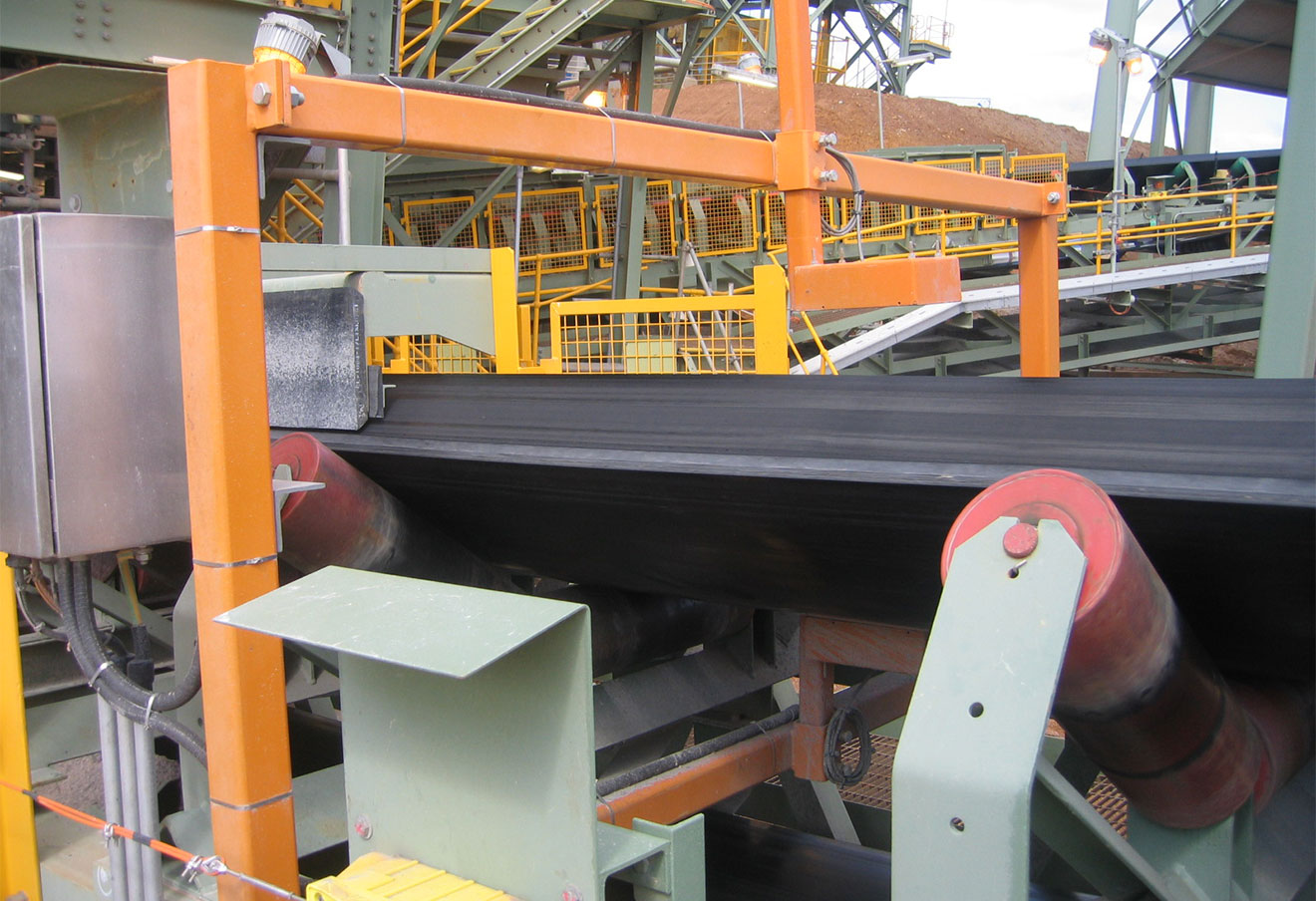
The hydroSCAN On-Belt Moisture Measurement System now allows the accurate measurement of moisture in realtime. This ready availability of moisture information allows proactive process control actions. The information can be used in a number of ways including:
The microwave moisture technique has been found to be suited to a wide range of non-conducting materials including; coal, wood flake, bauxite, sugar, bagasse, sand, mineral sands, foods, chemicals, etc..
Find out more about the system here.
Talk To One of Our Specialists
We are striving to be the leading supplier of on-line process measurement technologies and are keen to offer you: