COPPER
WILL PRICES REMAIN STRONG?
Copper prices have nearly tripled in the past 10 years, currently exceeding US$12,500 per tonne. Around half of this increase has come in the past two years.
Several reasons are given for copper’s strong price growth.
The first relates to economic growth – notably in Asia, led by China. This has stimulated demand in copper’s traditional markets, notably the transport, electricity and construction sectors.
The second is the recent emergence of strong demand from renewables and electric vehicles (the energy transition), as well as potential demand growth from AI data centres (the digital transition). Both transitions are copper-intensive.
The third relates to copper-ore grades, which have declined by 40% since 1990. This has increased production costs, hampering new production.

Source: markets.business. insider.com
Analysts typically see copper prices remaining strong.
For example, investment bank J.P. Morgan sees prices averaging US$12,000 per tonne in 2026. UBS is even more optimistic, seeing prices reach $15,000 per tonne by March 2027.
While not giving price forecasts, BHP (the world’s largest copper producer) is optimistic about the outlook for copper demand. It sees this increasing by around 30% by 2035 and by nearly 50% by 2050, driven particularly by global economic growth, followed by the energy transition (BHP sees a smaller contribution from the digital transition).
In BHP’s view, some increased supply will come from copper scrap, but most will have to come from new and existing mines.
It estimates that “the world will need about 10 million tonnes per annum of new mined copper supply in the next 10 years”. This is a large jump from 2025 production of 23 million tonnes.
Other mining companies are also optimistic about increasing copper demand.
Rio Tinto’s managing director, Simon Trott, was recently quoted as saying that “he’d asked the Rio exploration team to put copper front and centre” and that “85 per cent of its exploration budget would be directed to finding more of the metal” (Brad Thompson, The Australian, 20 February 2026).
US copper company, Freeport McMoRan (with operations in the US, Peru, Chile and Indonesia) sees strong growth ahead for copper demand, a result particularly of the energy and digital transitions.
CAUTION!
We would like to offer two cautionary comments about this optimism.
The first is that continuing strong copper demand depends on continuing strong economic growth in China, which consumes more than half of the world’s copper.
However, in the view of some commentators, China is heading for a serious slowdown.
For example, “there is no question that China’s rise is at least stalling … the working and total population are now in relentless decline … productivity growth has stalled … although consumption has been made a top priority, actual policy measures to make it so have been underwhelming … China has islands of technological excellence and leadership in a sea of macro-economic turbulence and trouble … this characterised Peak Japan 40 years ago and China is shaping up for the encore” (George Magnus, Oxford University, Why Peak China may finally have arrived, August 2025).
Should major copper companies consider this possibility more actively?
The second is: will the energy transition, notably the transition to renewables for electricity generation, continue more-or-less interrupted?
The International Energy Agency believes so, saying that electricity generation from renewables is expected to increase by 60% between now and 2030 – and in the process surpass coal as the largest source of electricity generation globally.
But even European countries committed to renewables – including Germany and Italy – are issuing warnings about giving up coal.
And the Trump administration in the US is steering his country back to fossil fuels, in the process encouraging critics of renewables in other parts of the world.
In the view of the Canadian-Czech scientist, Vaclav Smil, “fossil fuels are the most important factor in explaining the advance of modern civilisation”.
This comment remains highly relevant for poorer countries today, as the following graph suggests.

Should major copper companies consider the possibility that fossil-fuel use will continue to grow and that renewable energy will not be a significant driving force for increased copper demand?
FOOTNOTE: MAJOR COPPER PRODUCERS
| Mined copper production, global share, % | Refined copper production, global share, % |
| Chile, Peru |
35
|
China |
48 |
| Congo, Zambia | 18 | Congo, Zambia | 11 |
| Russia, Kazakhstan |
11
|
Chile, Peru |
7
|
| US, Canada | 10 | Russia, Kazakhstan | 5 |
| China | 8 | Japan | 5 |
| Australia, Indonesia, Mongolia | 8 |
Source: United States Geological Service, 2025
hydroSCAN MOISTURE MONITOR
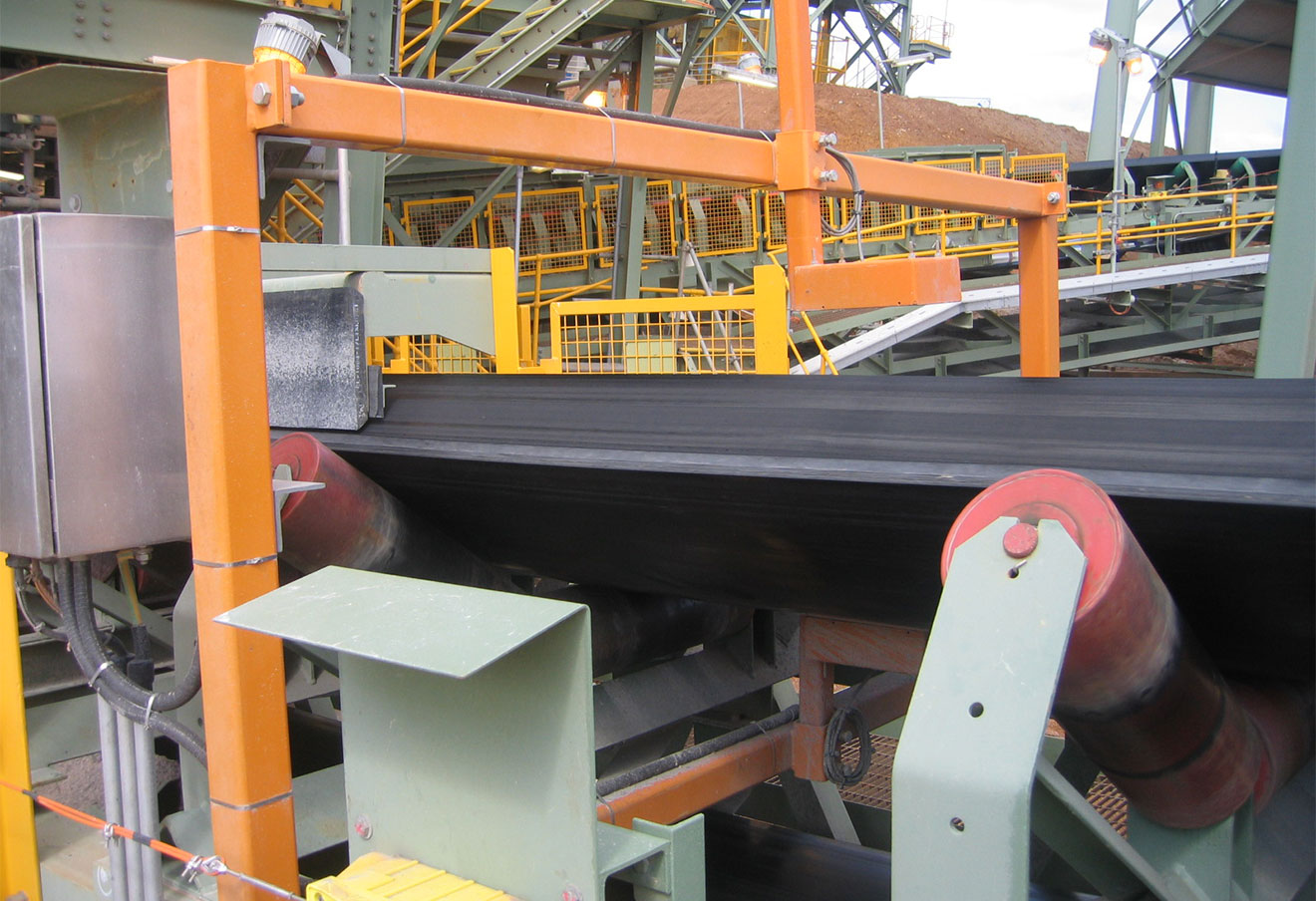
The hydroSCAN On-Belt Moisture Measurement System now allows the accurate measurement of moisture in realtime. This ready availability of moisture information allows proactive process control actions. The information can be used in a number of ways including:
The microwave moisture technique has been found to be suited to a wide range of non-conducting materials including; coal, wood flake, bauxite, sugar, bagasse, sand, mineral sands, foods, chemicals, etc..
Find out more about the system here.
Talk To One of Our Specialists
We are striving to be the leading supplier of on-line process measurement technologies and are keen to offer you:
Related Posts