COPPER – USEFUL SINCE 8,000 BC, NOW INDISPENSABLE
The beginning, 15,000 BC to 0 AD
In 20,000 BC, the earth was much colder than it is today. Nearly all communities in the world were nomadic.
Around 15,000 BC, the earth started to warm and sea levels began to rise. This was the beginning of a period of increasing temperatures and rising sea levels that “were to spur a transformation in human life and an explosion of population … this was the most extraordinary event in human history during the last 100,000 years” (Professor Geoffrey Blainey, A Very Short History of the World).
Why so extraordinary? Because it was the beginning of modern civilisation, including metal production.
Starting nearly 10,000 years ago, the world saw the ▪ cultivation of wheat ▪ development of settlements in the place of nomadic life ▪ use of pottery ▪ discovery of copper (around 8,000 BC), of copper smelting (around 6,000 BC) and of bronze, a copper alloy that is stronger and harder than copper (around 4,500 BC) ▪ discovery of iron-ore smelting (around 1,500 BC).
The global economy was growing slowly. And the population was growing, reaching 200 million in 0 AD, from under 5 million in 20,000 BC.
The intermediate period, 0 to 1,800 AD
For the next 1,800 years, the global economy continued to grow, but only slowly. Growth in production of copper (and other metals) was also slow. Professor Blainey says that, for several thousand years, “the standard of living of the average person in Europe, Africa and Asa had risen little, if at all … for the two-thirds of the population living on the lower rungs of the economic ladder, daily life was a struggle.”
The modern period, 1,800 AD onwards
All this started to change around 1800, with the industrial revolution in Europe and the US. This was followed by the strong economic growth as from the late 1800s in Japan and the strong growth as from the 1950s in South Korea, Southeast Asia, China, India and parts of Latin America.
If global warming and rising sea levels after 15,000 BC were “an extraordinary event in human history”, the explosion in global economic growth since 1800 also merits the title of an “extraordinary event”.
Growth domestic product (GDP),
global, 0 AD to 2024 AD, US$ trillion (1990 values)

This did not have a significant impact on copper in the 1800s, but did after 1900, when growth in copper production started to explode. Behind this was the increasingly widespread availability of electricity, with this sector responsible today for over 60% of copper use, notably in wiring.
Copper wiring is essential to large-scale electricity infrastructure (e.g. power stations), as well as to household items (e.g. lighting, washing machines, refrigerators, air conditioners, heaters, radio, television, computers and smart phones).
Copper and economic growth in the world are now closely linked.
Annual copper production,
global, 1850 to 2024, million tonnes


Copper wire
The Global Challenge
Following the frenetic growth rate in demand between 1950 and 2000, global copper demand has slowed in the past 20 years, to around 2% per year. Will steady growth in demand continue?
In developed countries, the stock of copper in use (e.g. in buildings, machinery and vehicles) averages around 100 kilograms per capita, compared to around 50 kilograms in China, 10 kilograms in India and well under 50 kilograms per capita likely for most other developing countries.
This suggests good potential for growth in coming years. BHP is particularly bullish, seeing copper demand increasing by 70% by 2050, to 50 million tonnes. This forecast is based on continuing world economic growth, a large jump in demand resulting from the energy transition (that is, from fossil fuels to renewables and electric vehicles) and a jump in demand from the spread of data centres. (This and the previous paragraph are based on BHP Insights, How copper will shape our future, September 2024.)
The energy transition may not proceed as quickly as BHP expects. And increased re-use of copper scrap will help to increase supply. But even if demand in 2050 is, say, 40 million tonnes rather than BHP’s forecast of 50 million tonnes, the world will face a challenge in increasing production to meet demand (without relying on a strong increase in copper prices to balance the two).
Problems to be tackled include ▪ declining copper grades ▪ the long lead times likely to be entailed in the development of new copper mines and expansion of existing mines ▪ financing such projects, with the finance required in the next 25 years likely to be much greater than in the last 25 years.
Australia
Australia is a small-medium copper producer, responsible in 2024 for 3.5% of global mined production. (Chile, Congo and Peru are the world’s major producers, responsible collectively for half of the world’s mined copper.)
BHP is Australia’ major producer, from three mines in South Australia: Olympic Dam, Prominent Hill and Carrapateena. It plans an increase in mine production of over 50% by the early 2030s, with an associated increase in smelting and refining capacity.
Glencore was Australia’s second major producer in the Mt Isa region in Queensland, but has closed down its copper-mining operations as from this year as a result mainly of declining grades.
In addition, it has announced that will not continue operating its copper smelter in Mt Isa and refinery in Townsville without outside financial assistance. (The Queensland government has offered such assistance and the Federal government is considering it.)
Australia is likely to play a role in increasing copper production in coming years, but in the absence of major discoveries, probably no more than a modest role.
Don’t miss an issue!
To stay connected and up to date with news within the mining industry, subscribe to the Mining Monitor. We’ll email a copy through to you at the beginning of each month.
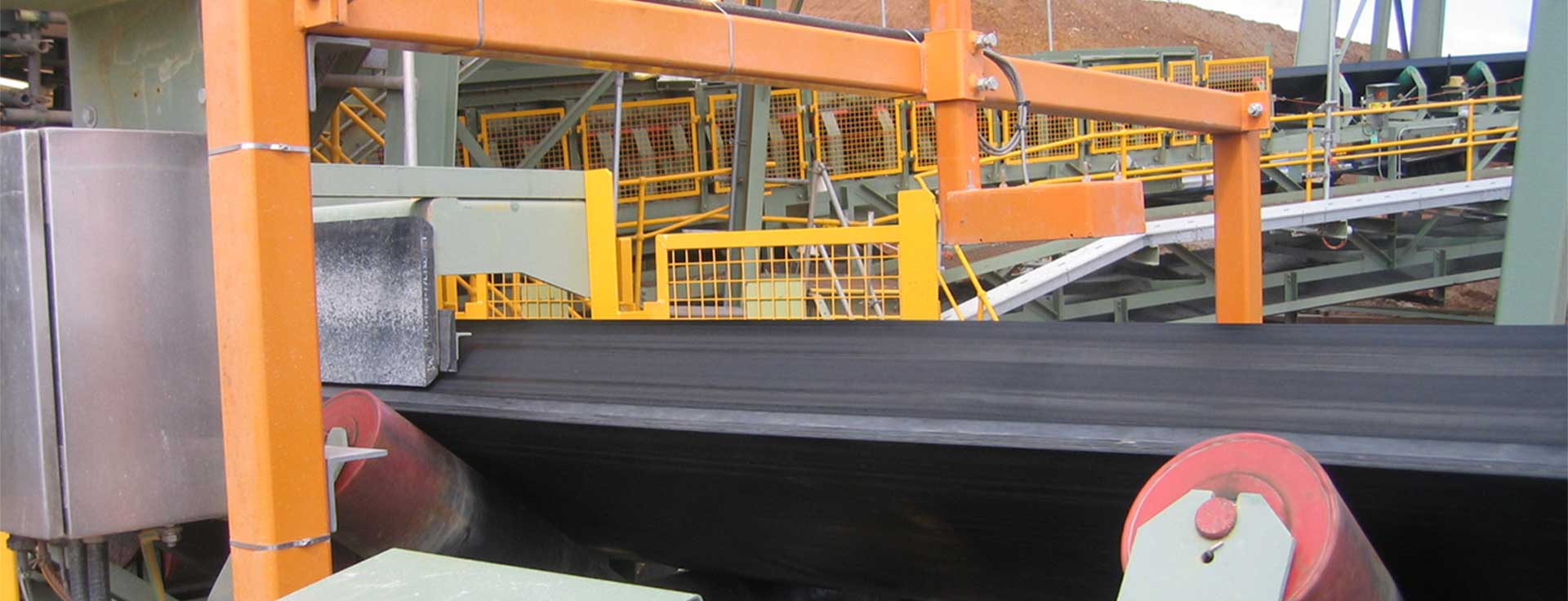
hydroSCAN MICROWAVE MOISTURE MONITOR – ON CONVEYOR
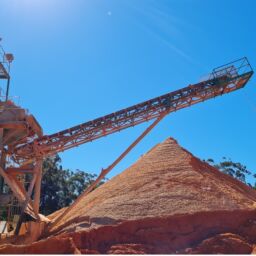
Conveyor Belt Installation
On-Conveyor Microwave Moisture Monitor
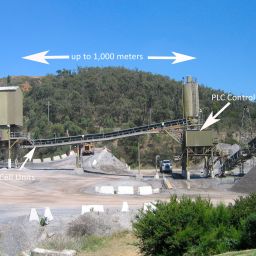
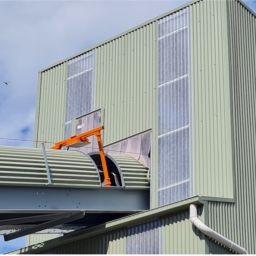
hydroSCAN is supplied with a rugged Support Frame which allows easy, accurate alignment the microwave transmitter and receiver housings on site. The system is also supplied with an electrical enclosure which houses the PLC which is used for data processing.
Find out more about the system here.
Talk To One of Our Specialists
We are striving to be the leading supplier of on-line process measurement technologies and are keen to offer you: